ABOUT ME
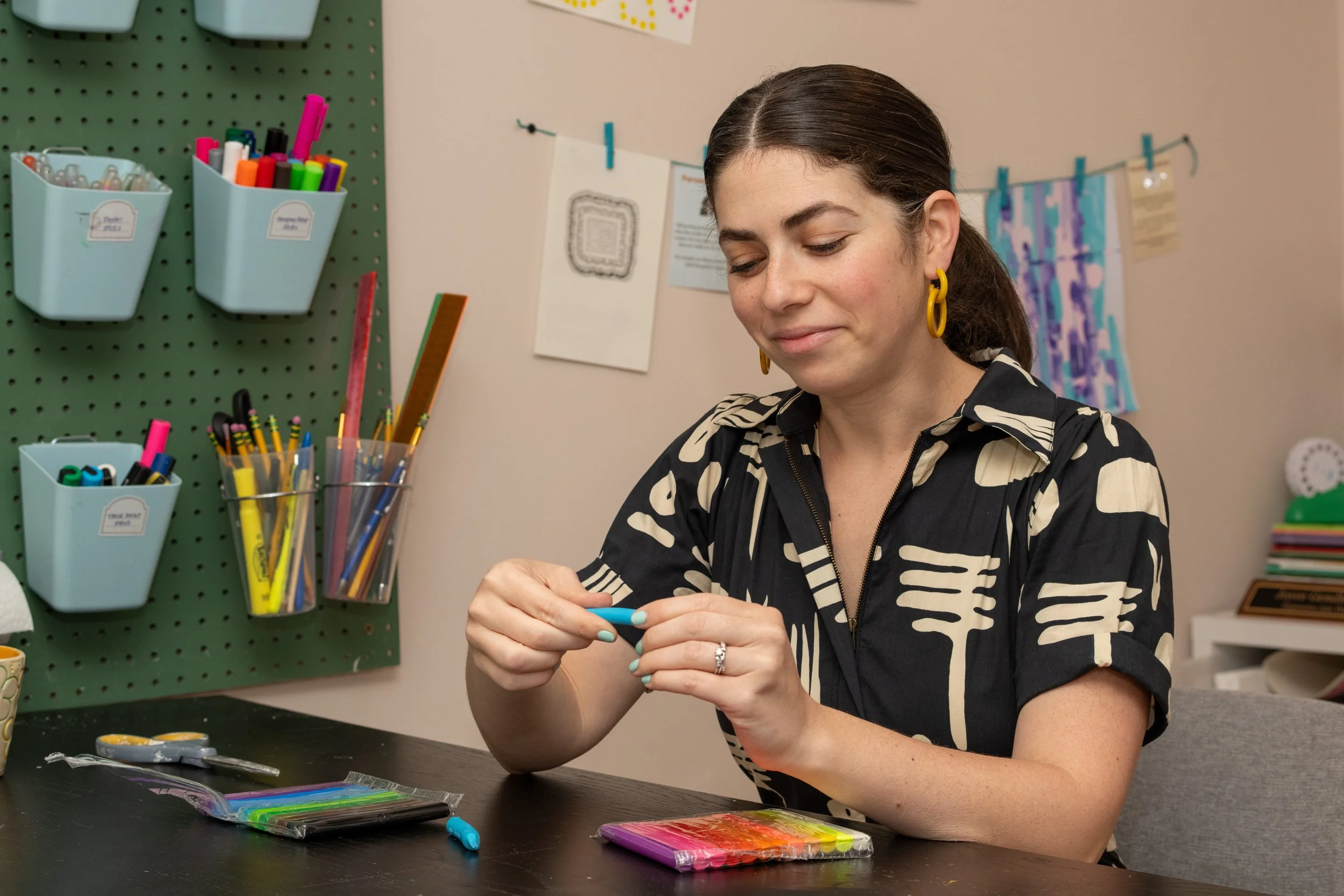
I love being a therapist. Mostly because it means I get to connect with people in really meaningful, authentic ways — and honestly? We don't get that too much these days.
I see it as a genuine honor to be welcomed into someone's life at their most vulnerable. The thoughts they haven't said out loud. The feelings they've been carrying quietly for a long time. That's not something I take lightly.
But here's what I also love about this work: the moments that feel less like therapy and more like two people finally being honest with each other. The "yes." The "same." The "of course you feel that way." The "how are we expected to manage all of this while the world is burning?"
Those moments. That's why I do this.
Our time together is for learning, growth, laughing, crying, and generally helping you see that you are capable of experiencing yourself, and your world, in a completely new way. You don't have to have it figured out to start. You just have to show up.
A note on how I work
I am a virtual therapist in Connecticut and Florida. I don't have one method I run everyone through. I pull from a few different approaches and weave them together based on what you actually need, on any given day, in any given session.
EMDR (Eye Movement Desensitization and Reprocessing)
EMDR is a research-backed approach to trauma, but "trauma" doesn't have to mean something catastrophic. It just means something got stuck. EMDR helps your brain reprocess those stuck experiences so they stop having such a grip on you. The memory doesn't disappear. It just stops running the show.
Parts-Based Work (Internal Family Systems)
The idea here is that we're not one single, unified self. We're made up of parts. The inner critic. The people pleaser. The one who shuts down when things get hard. Parts-based work helps you get curious about those parts instead of just being frustrated by them. Once you understand where they came from and what they're trying to protect you from, something shifts.
Trauma-Informed Therapy
This is less a specific technique and more a lens I bring to everything. It means I understand that a lot of what looks like anxiety, avoidance, or "overreacting" is actually your nervous system doing exactly what it learned to do. Nothing is wrong with you. It all makes sense once you know the story behind it.
Expressive Arts Therapy
Before you picture finger painting, let me explain what this actually looks like in practice. Sometimes mid-session I'll have an idea, a way we can explore something that isn't just talking, and I'll ask if you want to try it. That's really it. No artistic ability required, no performance, no pressure.
Here's why it can be so powerful: sometimes there's something in you that words just can't quite reach. Not because you're not self-aware enough, but because the words for it don't exist yet. Art has a way of making the unsayable visible. Of quieting the noise long enough to see something new. And sometimes, seeing something you've been feeling outside of yourself, on paper, creates a kind of compassion for yourself that thinking about it alone never quite does.
You can't talk someone into feeling alive again. Sometimes you have to experience it first.
My credentials (the official stuff)
Licensed Professional Counselor (LPC) This is my core license, what allows me to practice therapy in Connecticut and Florida. It means I've done the graduate training, the thousands of hours of supervised clinical work, the licensing exam, and that I'm held to ongoing ethical standards. Basically: I know what I'm doing, and someone other than me agrees.
Registered Expressive Arts Therapist (REAT) The REAT is an advanced credential from the International Expressive Arts Therapy Association. It means I'm trained to bring creative modalities like art, writing, and movement into the therapy room when words aren't quite cutting it. Which, honestly, is more often than people expect.
National Certified Counselor (NCC) A national credential on top of state licensure. It's a way of saying I've met a higher bar of education and experience, and that I'm committed to keeping up with the field. Less exciting to explain than it is to have.
A few other things about me, since we're here
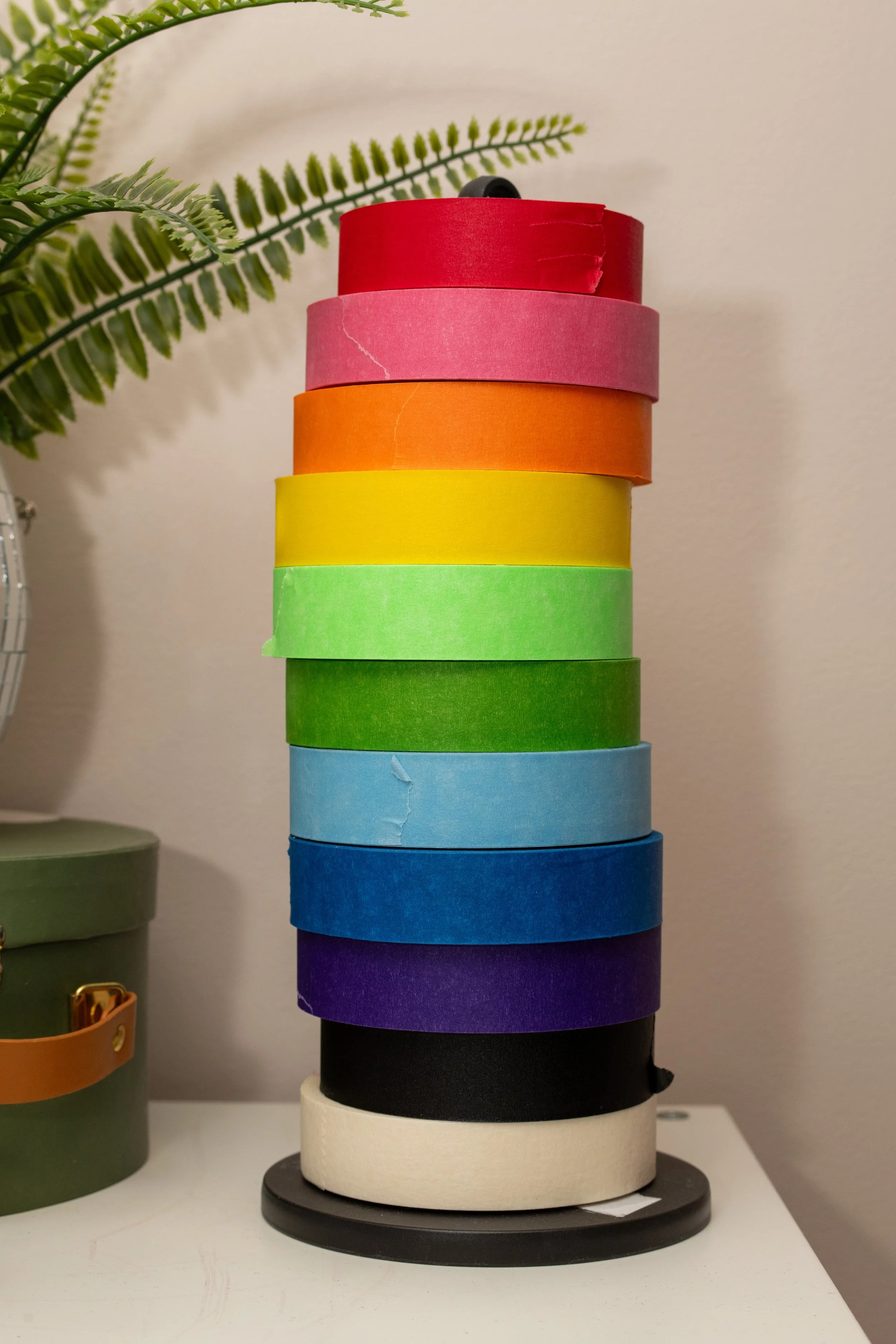
I'm a mom of two young kids, which means I am very much in it alongside you. I think my biggest hobby is organizing stuff. I have strong opinions about really good food. I am an enthusiastic and unapologetic consumer of reality TV. And I love people, genuinely, not just professionally.
Which is probably why I became a therapist in the first place.